Rwanda is famous for its mountain gorillas, national parks and beautiful landscapes, but there is…
Dian Fossey Tomb Hike in Rwanda: Route, Experience and What to Expect
The Dian Fossey Tomb Hike in Rwanda is a meaningful experience for visitors interested in wildlife conservation, mountain gorillas and the history of one of the world’s most recognized primatologists.
Located within the mountainous landscape of Volcanoes National Park, the hike takes visitors towards the historic Karisoke Research Center, where Dian Fossey conducted important research and conservation work to protect mountain gorillas.
Beyond the physical hiking experience, this journey offers an opportunity to learn about the history of gorilla conservation in Rwanda and the dedication of the people who continue protecting these endangered animals.
Whether you are a wildlife enthusiast, nature lover or traveller interested in Rwanda’s conservation history, the Dian Fossey Tomb Hike offers a memorable experience in the Virunga Mountains.
1. Who Was Dian Fossey?
Dian Fossey was an American primatologist who dedicated much of her life to studying and protecting mountain gorillas.
She began her research in the Virunga Mountains in 1967, establishing the Karisoke Research Center between Mount Karisimbi and Mount Bisoke in what is now Volcanoes National Park.
Through years of field research, she developed a close understanding of mountain gorilla behaviour, family relationships and their natural habitat.
Her conservation work also brought international attention to the threats facing mountain gorillas, particularly poaching and habitat destruction.
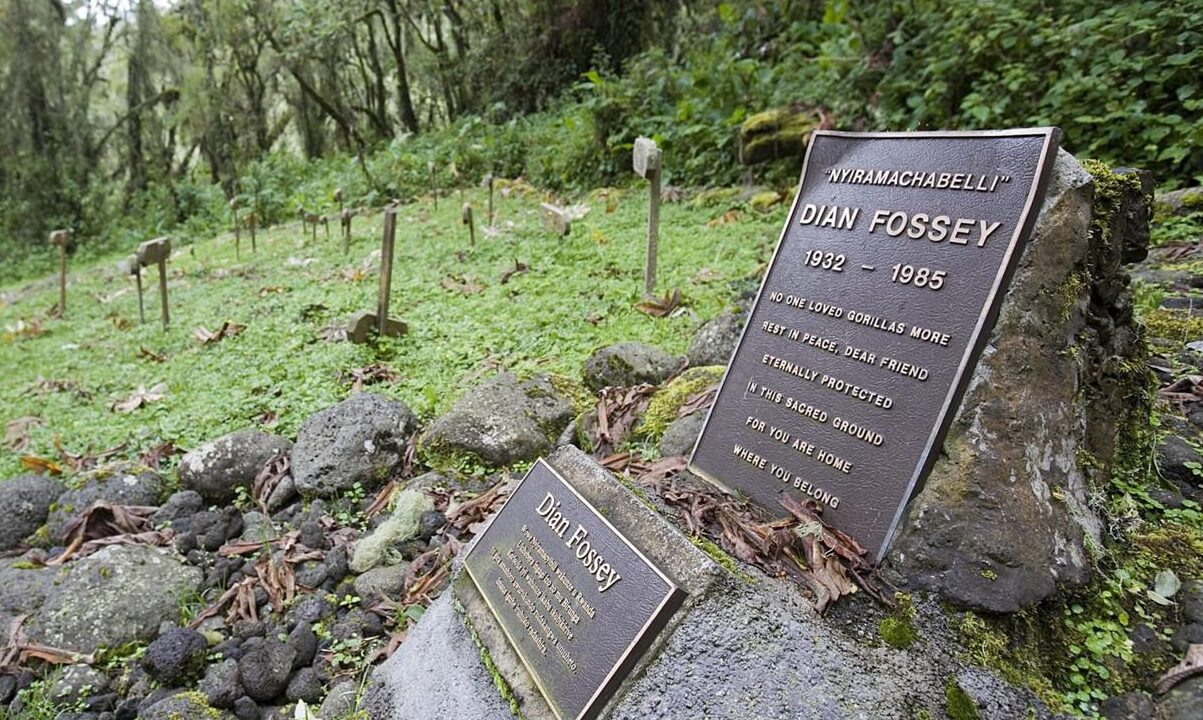
Dian Fossey was murdered in December 1985 and was buried near the research centre alongside several gorillas that had died during her conservation efforts.
Her legacy remains an important part of Rwanda’s wildlife conservation history.
2. Where Is Dian Fossey’s Tomb Located?
Dian Fossey’s tomb is located at the former Karisoke Research Center in the Virunga Mountains, within Volcanoes National Park in northern Rwanda.
The research centre was established between Mount Karisimbi and Mount Bisoke, two of the famous volcanic mountains forming part of the Virunga range.
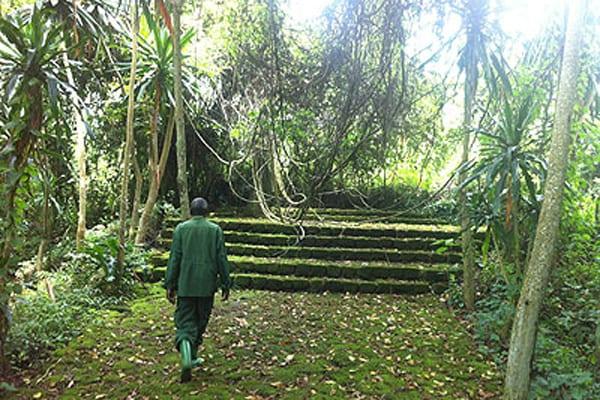
The area is surrounded by montane forest, bamboo vegetation and beautiful mountain landscapes.
Visitors interested in the hike must arrange access through the appropriate park authorities and follow the designated hiking route.
The journey begins in the Kinigi area, where visitors receive their instructions before heading towards the forest.
3. What Is the Karisoke Research Center?
The Karisoke Research Center was established by Dian Fossey in 1967 to study mountain gorillas in their natural environment.
Its name comes from the combination of the names of two nearby volcanoes: Mount Karisimbi and Mount Bisoke.
The centre became an important location for long-term mountain gorilla research and conservation.
It contributed significantly to scientific understanding of gorilla behaviour, social structures and the challenges affecting their survival.
Today, the historical site remains closely associated with Dian Fossey’s conservation legacy and the continued protection of mountain gorillas.
Visitors hiking to the area can learn about the history of the research centre and its contribution to wildlife conservation.
4. What to Expect During the Dian Fossey Tomb Hike
The Dian Fossey Tomb Hike is a guided mountain forest experience that takes visitors through the natural environment of Volcanoes National Park.
The journey involves walking along forest trails, navigating uneven ground and gradually ascending through the mountainous landscape.
During the hike, visitors may experience:
- Beautiful views of the Virunga Mountains.
- Dense montane forest vegetation.
- Bamboo forest landscapes.
- Opportunities to learn about mountain gorilla conservation.
- Historical information about Dian Fossey and the Karisoke Research Center.
- A visit to the area where Dian Fossey and several gorillas were buried.
The experience is particularly meaningful because it connects visitors with the history of mountain gorilla protection in Rwanda.
The actual hiking duration and difficulty depend on weather conditions, trail conditions and the pace of the group.
5. How Difficult Is the Dian Fossey Tomb Hike?
The hike can be physically demanding because it takes place in a mountainous forest environment.
Visitors should expect uneven terrain, muddy sections, vegetation and uphill walking.
The level of difficulty depends on individual fitness, weather and trail conditions.
People who regularly enjoy hiking or outdoor activities may find the experience more manageable.
However, it is important not to underestimate the physical demands of the journey.
Before booking, consider your fitness level and discuss any mobility concerns with your tour operator.
A local porter may also be available to help carry personal belongings during the hike.
6. What Should You Bring for the Hike?
Preparing appropriate clothing and equipment can make your experience more comfortable.
Consider bringing the following:
Hiking boots: Choose comfortable waterproof boots with good grip for muddy and uneven forest trails.
Long trousers: Wear comfortable trousers that protect your legs from vegetation.
Long-sleeved clothing: This provides additional protection during the forest walk.
Rain jacket: Weather in the Virunga Mountains can change quickly, so waterproof clothing is recommended.
Drinking water: Carry enough water to remain hydrated during the hike.
Snacks: Bring light snacks for energy, following park rules about eating and litter disposal.
Camera: A camera can help capture the mountain scenery and historical surroundings. Follow your guide’s instructions.
Small backpack: Use a comfortable backpack to carry essential personal items.
Insect repellent: This may help protect against insect bites during the hike.
7. When Is the Best Time to Visit Dian Fossey’s Tomb?
The Dian Fossey Tomb Hike can be organized throughout the year, subject to park arrangements and availability.
However, weather conditions can influence the hiking experience.
Rwanda generally has two relatively drier periods:
- June to September.
- December to February.
During these periods, visitors may experience less rainfall, although trails can still be muddy due to the mountainous environment.
The wetter periods generally occur between March and May and again around October and November.
Visitors should prepare for possible rainfall regardless of their travel dates.
The best time for your visit also depends on your overall Rwanda itinerary and the availability of the activity.
8. Can You Combine the Dian Fossey Tomb Hike with Gorilla Trekking?
Yes. Visitors can include the Dian Fossey Tomb Hike and mountain gorilla trekking in the same Rwanda itinerary.
Both experiences take place in Volcanoes National Park, making them suitable for travellers interested in mountain wildlife and conservation history.
A possible itinerary could include:
Day 1: Kigali to Musanze
Travel from Kigali to northern Rwanda and check into your accommodation.
Day 2: Mountain Gorilla Trekking
Participate in a guided gorilla trekking experience in Volcanoes National Park.
Day 3: Dian Fossey Tomb Hike
Explore the historic Karisoke Research Center area and learn about Dian Fossey’s conservation legacy.
The exact schedule should be confirmed with the tour operator and park authorities.
Visitors should also confirm the separate activity requirements and applicable fees before making their arrangements.
9. How to Get to the Dian Fossey Tomb Hike Starting Point
Most visitors travel from Kigali to Musanze and continue towards Kinigi, where activities in Volcanoes National Park are organized.
The journey from Kigali to the Kinigi area generally takes approximately 2.5 to 3 hours by road, depending on traffic and weather conditions.
Transportation options include:
- Private transportation with a professional driver.
- Chauffeur-driven rental vehicles.
- Self-drive car rental.
- Organized safari transportation.
Visitors should arrange transportation in advance, particularly when travelling with an organized tour.
For travellers who prefer independent transportation, Rwanda Cars For Rental offers vehicle rental options, including self-drive and chauffeur-driven services.
10. Why Is the Dian Fossey Tomb Hike Important for Conservation?
The Dian Fossey Tomb Hike is more than a mountain hiking experience.
It introduces visitors to an important chapter in the history of mountain gorilla conservation.
Dian Fossey’s research helped increase international awareness of the challenges facing mountain gorillas.
Her work also contributed to greater attention towards protecting gorilla habitats and reducing threats from human activities.
Today, Rwanda continues to protect mountain gorillas through conservation initiatives, responsible tourism and collaboration with local communities.
By visiting the historical Karisoke area, travellers gain a better understanding of why wildlife conservation remains important for Rwanda and the wider Virunga region.
11. Plan Your Visit to the Dian Fossey Tomb in Rwanda
Visiting Dian Fossey’s tomb offers a special opportunity to explore Rwanda’s conservation history while experiencing the natural beauty of Volcanoes National Park.
From walking through the mountain forests to learning about the work of the Karisoke Research Center, the experience provides something different from the traditional wildlife safari.
At Gorilla Trek in Rwanda, we help visitors discover Rwanda’s remarkable wildlife destinations and organize memorable travel experiences.
Whether you are interested in gorilla trekking, hiking or exploring the country’s conservation heritage, our team can help you discuss suitable arrangements.
Contact Gorilla Trek in Rwanda to start planning your northern Rwanda adventure.
Conclusion
The Dian Fossey Tomb Hike is an important experience for anyone interested in the history of mountain gorilla conservation.
Located within the beautiful Virunga Mountains, the historic Karisoke Research Center offers visitors an opportunity to connect with the legacy of Dian Fossey and understand the importance of protecting endangered mountain gorillas.
If you are planning a visit to Volcanoes National Park, consider including this historical hike in your Rwanda itinerary.
Related Posts