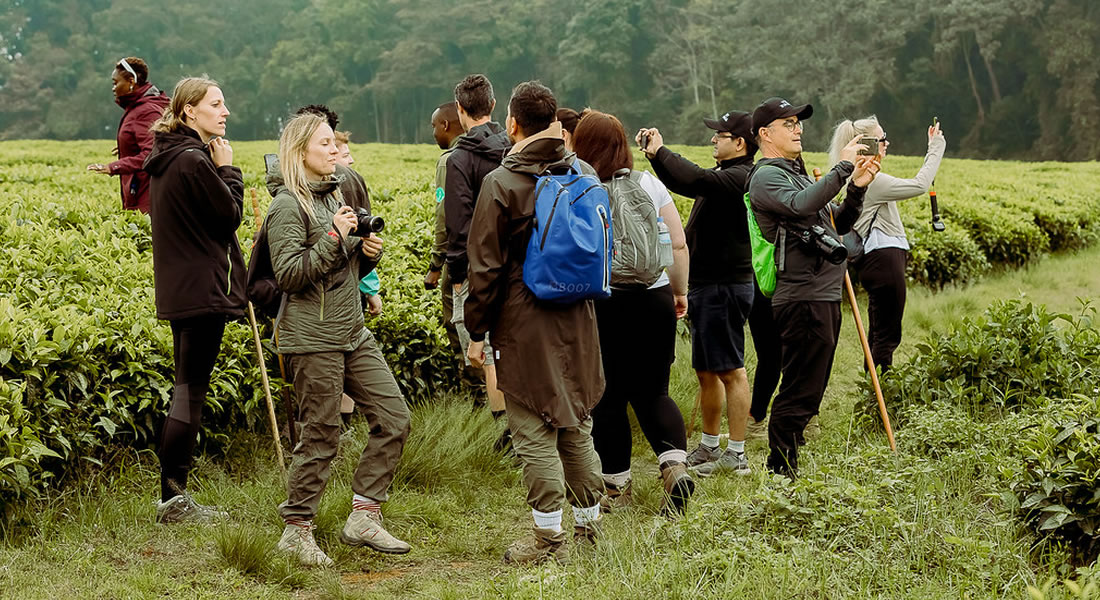
Gorilla trekking in Rwanda is widely regarded as one of the most remarkable wildlife experiences…

Visiting the Kigali Genocide Memorial
Visiting the Kigali Genocide Memorial is one of Rwanda’s most significant historical and cultural landmarks and it stands as a place of remembrance, learning, and reflection. Visiting this memorial is an important experience for tourists who want to understand the country’s past and appreciate its inspiring journey of unity and recovery. The memorial commemorates the victims of the 1994 Genocide against the Tutsi and also serves as an educational center where guests can learn about the causes, events, and long term impact of the tragedy. A visit here is often included in many Kigali City Tours because it provides deep insight into Rwanda’s resilience, peace building efforts, and national transformation.
History and Purpose of the Kigali Genocide Memorial
Opened in 2004, the Kigali Genocide Memorial was built in partnership with the Aegis Trust as a place of commemoration for more than 250000 victims who are laid to rest at the site. The purpose of the memorial is to honor the lives lost, educate future generations, and support healing among survivors and Rwandans as a whole. The memorial is both a final resting place and a learning center that documents Rwanda’s past while promoting peace and understanding. For tourists, it offers essential context to the country’s modern developments and its remarkable recovery. The memorial plays a central role in national remembrance activities every April during Kwibuka which means to remember.
The Visitor Experience at the Memorial
A tour of the Kigali Genocide Memorial usually begins with a walk through the tranquil gardens surrounding the site. These gardens have symbolic significance because they represent life, renewal, and hope for the future. Inside the main building, visitors follow a professionally curated exhibition that narrates the events that led to the genocide, the heartbreaking impact on communities, and the aftermath that shaped the country’s rebuilding process. Audio guides are available in several languages which allows tourists to explore at their own pace while listening to survivor testimony, historical explanations, and contextual information. The flow of the exhibition is designed to encourage understanding and reflection without overwhelming visitors.
Main Exhibitions at the Kigali Genocide Memorial
The memorial has three primary exhibitions that guide guests through different aspects of the tragedy. The main exhibition focuses on the Genocide against the Tutsi, explaining the background, ideology, and events that unfolded. This section offers clear historical information and helps visitors understand how such a devastating event occurred. Another exhibition is dedicated to the memory of children who lost their lives. It presents a gentle and emotional tribute that personalises the tragedy and reminds guests of the human cost. The third exhibition looks at global genocides and provides an international perspective by including events from other parts of the world. This broader context highlights the need for global vigilance against violence and discrimination.
Memorial Gardens and Burial Sites
The serene memorial gardens surrounding the building create a peaceful environment for reflection. These gardens feature pathways, flowers, and trees that symbolise life and hope. The burial grounds are respectfully maintained and serve as a dignified resting place for the victims. Many Rwandans visit the memorial to pay their respects, especially during commemoration periods. For tourists, the burial sites help them appreciate the scale of the tragedy without exposing them to graphic or distressing details. The gardens also offer a quiet space where visitors can pause and reflect after exploring the exhibitions.
Educational Programs and Learning Opportunities
The Kigali Genocide Memorial is also a center for education with programs designed to teach visitors about peace, unity, and responsible citizenship. Workshops and training are regularly held for students, community groups, and international guests. Tourists can learn about Rwanda’s reconciliation efforts, the achievements of communities working together, and the importance of preventing discrimination. The memorial aims to inspire a global community committed to peace and respect for human dignity. Many tourists appreciate that these programs highlight Rwanda’s progress, its national healing journey, and its strong commitment to a peaceful future.
Why Visiting the Memorial Is Important
A visit to the Kigali Genocide Memorial is valuable for anyone interested in Rwanda’s history, culture, and transformation. It allows tourists to understand the country beyond its stunning natural beauty and famous tourist attractions like Volcanoes National Park and Nyungwe Forest. The memorial helps visitors see how the people of Rwanda rebuilt their nation with resilience, unity, and determination. The experience encourages empathy and reinforces the importance of human rights and peace. Many guests describe the visit as powerful, educational, and essential for understanding Rwanda today.
How to Prepare for Your Visit
Because the Kigali Genocide Memorial is a place of remembrance, tourists are encouraged to approach it with respect and sensitivity. Modest clothing is recommended since it is a solemn location. Photography is allowed in some areas but restricted in others so it is best to follow the guidance of staff. The visit typically takes one to two hours depending on how deeply guests want to explore the exhibitions. Audio guides can enhance the experience and offer structured explanations for the historical displays. It is also helpful to plan some quiet time afterward to process the emotions and lessons from the visit.
Practical Information for Tourists
The memorial is located in Gisozi, a short drive from Kigali’s city center. It is easily accessible by private car, taxi, or as part of a guided Kigali City Tour. Entrance to the memorial is free, however, donations are appreciated and help support the site’s preservation and educational activities. There is a small café on site along with a bookstore that offers reading material focused on history, peace building, and Rwanda’s development. Most tourists visit the memorial as part of a larger city tour that includes stops at cultural centers, local markets, and important landmarks around Kigali.
Visiting the Kigali Genocide Memorial is an important and meaningful experience for anyone travelling to Rwanda. The memorial provides deep insight into the country’s past while celebrating its progress toward unity and peace. Through its exhibitions, gardens, and educational programs, the site promotes understanding and encourages visitors to reflect on the importance of compassion and humanity. Including the Kigali Genocide Memorial in your Rwanda car hire itinerary adds depth and purpose to your journey and helps you appreciate the incredible resilience and strength of the Rwandan people.
Related Posts